




Social comparison is something most of us do automatically, often without even noticing.
It can happen while scrolling, when you catch your reflection in a shop window, or when you’re standing next to someone and suddenly become acutely aware of your own body. One small moment, and your attention shifts. You start assessing. Measuring. Judging.
Not because you’re shallow or insecure, but because comparison is deeply human.
When it comes to body image, though, comparison has a particular sting.
Social comparison is a human instinct
Psychology has long recognised that social comparison is a natural way humans evaluate themselves.
From an evolutionary point of view, comparison helped us understand where we stood in a group, whether we belonged, and how safe we were. In modern life, that instinct hasn’t disappeared, especially with the ever-increasing use of social media, it’s simply been given far more material to work with.
Bodies, being visible and culturally loaded with meaning, become one of the most obvious places comparison lands.
Often, comparison isn’t about wanting what someone else has. It’s about checking where you stand.
Why comparison targets body image first

Body image sits at the intersection of visibility, identity, and worth.
Your body is something you live in, but it’s also something that can be seen, commented on, and judged. That makes it an easy target for comparison, particularly in a culture that links appearance with confidence, success, and self-control.
Research shows that upward appearance-based comparison is linked to increased body dissatisfaction and reduced self-esteem.
Over time, this can lead to constant body monitoring, a heightened awareness of perceived flaws, a gradual shrinking of confidence, and a growing sense that your worth is conditional, something that needs to be earned rather than assumed.
Comparison feels personal because it is personal
One of the reasons comparisons hurts so much is that it doesn’t stay on the surface.
You might start by noticing someone else’s body, but the thought rarely stops there. Appearance quickly becomes shorthand for other things, confidence, happiness, success, discipline, or ease in life.
So, comparison shifts from how they look to what you assume that must mean.
You might find yourself thinking:
- They’re more confident than me.
- They’ve got their life together.
- I don’t look how I should.
- There must be something wrong with my body.
I hear this often in my work with women, not as jealousy, but as quiet self-doubt. It’s rarely about wanting someone else’s body. It’s about believing their body represents a life you’re somehow missing out on.
Over time, we’re exposed to messages that subtly link certain bodies with worth, success, desirability, and happiness. So, when comparison shows up, it doesn’t just say they look different to me, it says they are doing life better than me.
That’s why comparison cuts so deeply.
Social media amplifies comparison, but it doesn’t create it
Social media hasn’t invented comparison, it has just made it more frequent and more visual.
By showing us carefully selected moments and bodies, often without context, it increases the chances that comparison becomes automatic rather than conscious. Even when you know what you’re seeing isn’t the full picture, the meaning-making still happens.
This is why comparison can affect you even when you “know better”.

When comparison starts shaping confidence and self-worth
Although comparison often shows up through body image, it rarely stays contained there.
Over time, repeated comparison can quietly shape how confident you feel more generally, how you speak, how visible you allow yourself to be, and how safe you feel taking up space.
When your body feels “not good enough”, it can become harder to:
Body image comparison slowly seeps into self-worth.
Why insight alone doesn’t stop comparison
Most people who struggle with comparison are already aware that it’s unhelpful.
But awareness doesn’t automatically override emotional patterns.
Research shows that repeated exposure to appearance ideals can shape beliefs and feelings even when people consciously reject them.
That’s why comparison can still affect you even when you understand where it comes from. It’s not a lack of insight, it’s how the brain learns through repetition and meaning.
Moving out of comparison, gently
Reducing the impact of comparison doesn’t mean forcing yourself to stop comparing.
It means understanding what comparison is trying to offer you.
Often, it’s searching for reassurance, certainty, or a sense of safety. When those needs are met in kinder, more grounded ways, through self-understanding, compassion, and supportive frameworks, comparison begins to lose its authority.
This is where deeper body image and self-worth work becomes important.
When comparison no longer gets to decide your worth
Comparison only has power when it becomes the place you go to decide who you are.
When your sense of worth is steadier, comparison becomes information rather than a verdict. It may still appear, but it no longer defines you.
If comparison has been shaping how you feel about your body, your confidence, or your value, there are supportive ways to work through that.
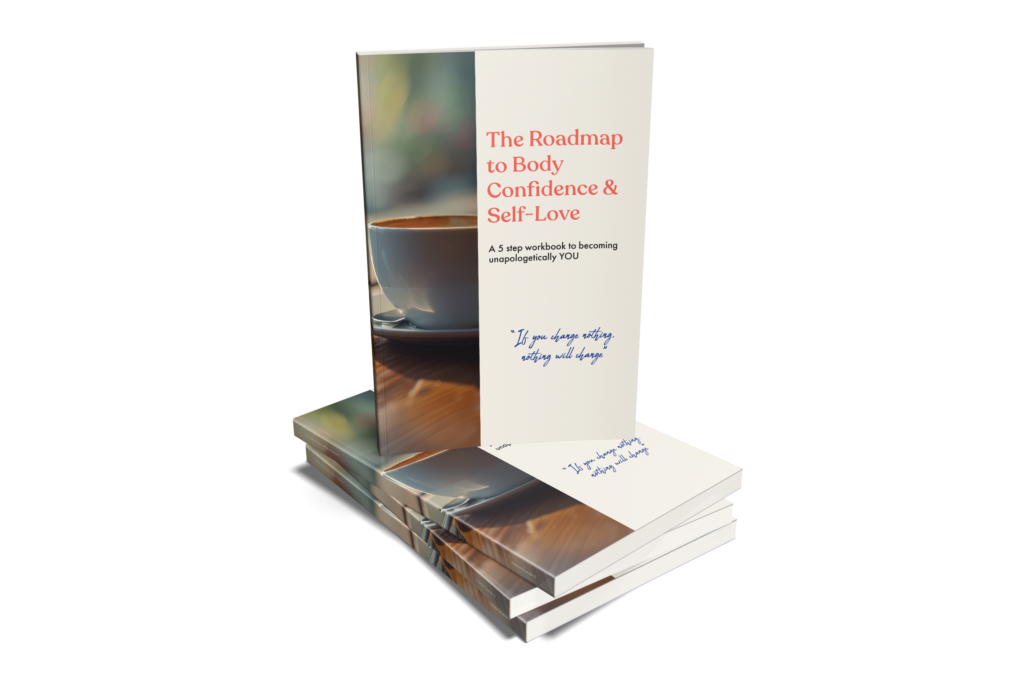
You can explore the Comparisons Masterclass or go deeper with The Roadmap to Body Confidence & Self Love which you can get your hands on in book format or as an online self-paced course that you can work through .
Comparison doesn’t need to be something you fight. With the right understanding and support, it becomes something you move beyond.
xxx

Hey I’m Natalie, Supporting women like you on their road to self-acceptance and building a positive body image.

View comments
+ Leave a comment