




We all like to make sure others are ok and be helpful, but when we are people pleasing often it can begin to create a discomfort, where you slowly realise you don’t quite know who you are anymore.
Not in a dramatic, identity-crisis way. More in a quieter sense, that you’ve become very good at being who you should be, who others expect, or who feels easiest to be around.
You function. Try and cope. Show up regardless.
But underneath that, there’s a sense of distance from yourself. A feeling that your decisions, preferences, even your body don’t feel fully yours anymore.
How we learn to become who we’re expected to be
Most people don’t lose touch with themselves because they don’t care. They lose touch because they adapt.
From a young age, many of us receive clear, and often very different, messages about who we need to be in order to be accepted, loved, or valued.
As girls, this can look like being praised for being good, kind, helpful, or beautiful. We’re often encouraged to be polite, accommodating, emotionally aware of others, and mindful of how we come across. Being too loud, too emotional, too opinionated, or too demanding can be subtly discouraged.
As women, those messages often evolve into expectations to be selfless, capable, emotionally available, and endlessly accommodating – cope quietly, do it all, put others first, and don’t make things difficult.
That’s not to say men don’t struggle with this too.
Many boys grow up hearing messages about needing to be strong, independent, successful, or in control. Emotional expression can feel unsafe, vulnerability discouraged, and worth tied to achievement or productivity rather than internal experience.
Different messages — same outcome.
In both cases, we learn that certain parts of ourselves are more acceptable than others. So we mould ourselves accordingly. We scan situations, read the room, and adjust to fit. Gradually, who we should be starts to take priority over who we actually are.
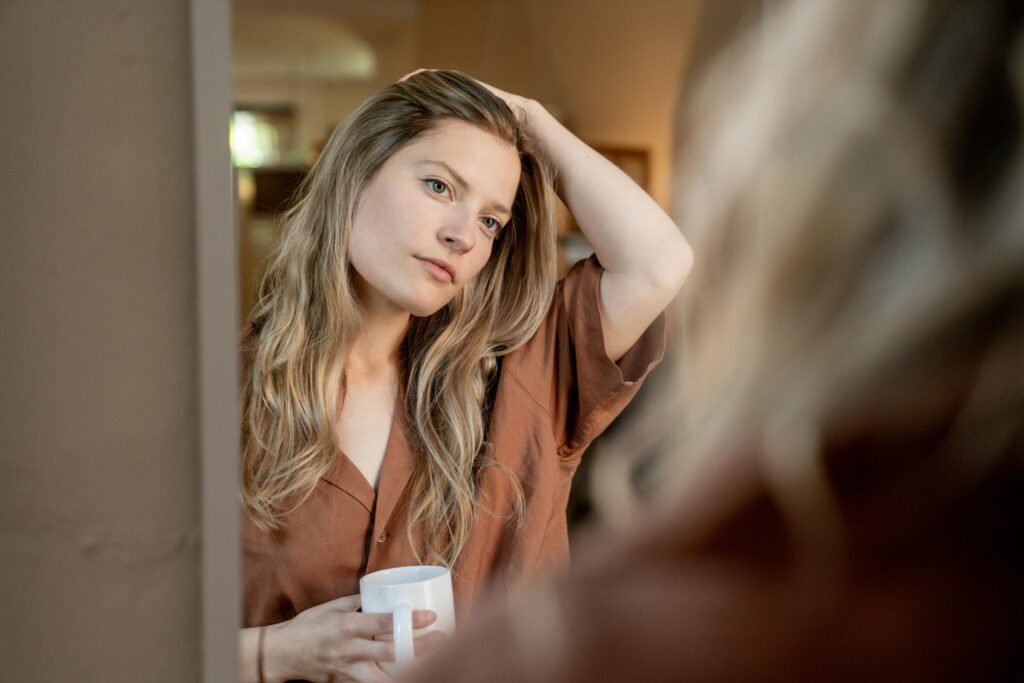
The result over time when we consistently adapt to maintain approval or belonging, is that our sense of identity becomes increasingly externally defined.
You don’t lose yourself all at once. You just stop checking in.
Eventually, the real you starts to fade into the shadows and you can’t see her anymore.
When “should” replaces choice
A common experience for people who feel disconnected from themselves is living by shoulds.
Decisions are guided by what’s sensible, expected, or least disruptive rather than what feels right. You do what works. What keeps things steady and safe. What avoids conflict with or disappointment from others.
Over time, should becomes louder than want.
This can make it genuinely hard to answer simple questions about yourself – what you like, what you need, what matters to you. Not because you don’t have answers, but because you haven’t had space to listen for a long time.
Where body image fits into losing yourself
When you’re disconnected from your inner experience, the body often becomes a focal point.
Instead of being something you live in, it can start to feel like something you manage, assess, or try to get right. Appearance becomes a way of signalling worth, competence, or acceptability, especially when your sense of identity feels unclear.
Research links body dissatisfaction with reduced self-connection and increased self-objectification. In this context, body image struggles aren’t about vanity. They’re about trying to anchor identity externally when internal reference points feel shaky.

Why, this can feels more intense
For some, this pattern of adapting and moulding can feel especially familiar.
People who are naturally sensitive, perceptive, or highly attuned to others’ reactions often become very skilled at adjusting themselves to fit. This can include people who connect with traits associated with ADHD, such as heightened awareness of social feedback, rejection sensitivity, or a tendency to mask parts of themselves to avoid standing out.
Many people with ADHD describe long-term patterns of masking and self-adjustment in order to cope socially. This doesn’t mean this experience is exclusive to ADHD. It means that for some people, the habit of becoming who you should be rather than who you are can become deeply ingrained.
When you no longer know what you need
One of the clearest signs of disconnection from yourself is difficulty identifying your own needs.
You might struggle to know what would help when you’re overwhelmed, default to what’s practical, or minimise discomfort without realising it. Rest can feel uncomfortable. Choice can feel heavy.
Psychologically, this reflects a long-term shift away from internal cues and towards external guidance and approval.
Missing yourself isn’t a failure. It’s information and a sign to come back to yourself.
Missing yourself is a signal, not a flaw
That feeling of “I don’t know who I am anymore” isn’t a sign that you’ve lost something permanently.
It’s a sign that you’ve been adapting for a long time, prioritising safety, approval, or perceived peace over truly being yourself.
Often, missing yourself means your inner world hasn’t had much space to exist. Your preferences, limits, and emotions have been secondary, not because they don’t matter, but because you learned they could wait.
That sense of absence is your self asking to be listened to again.
Finding your way back to yourself
As you begin to reconnect with yourself, self-belief doesn’t arrive as a sudden surge of confidence.
It grows quietly, through consistency, through knowing you’ll check in with yourself rather than override, and trusting that your needs and reactions are worth responding to.
Over time, this creates a steadier sense of self, one that isn’t dependent on coping, approval, or getting things “right.”
Body image often softens here too. Not because your body changes, but because it’s no longer carrying the weight of defining your worth or identity.
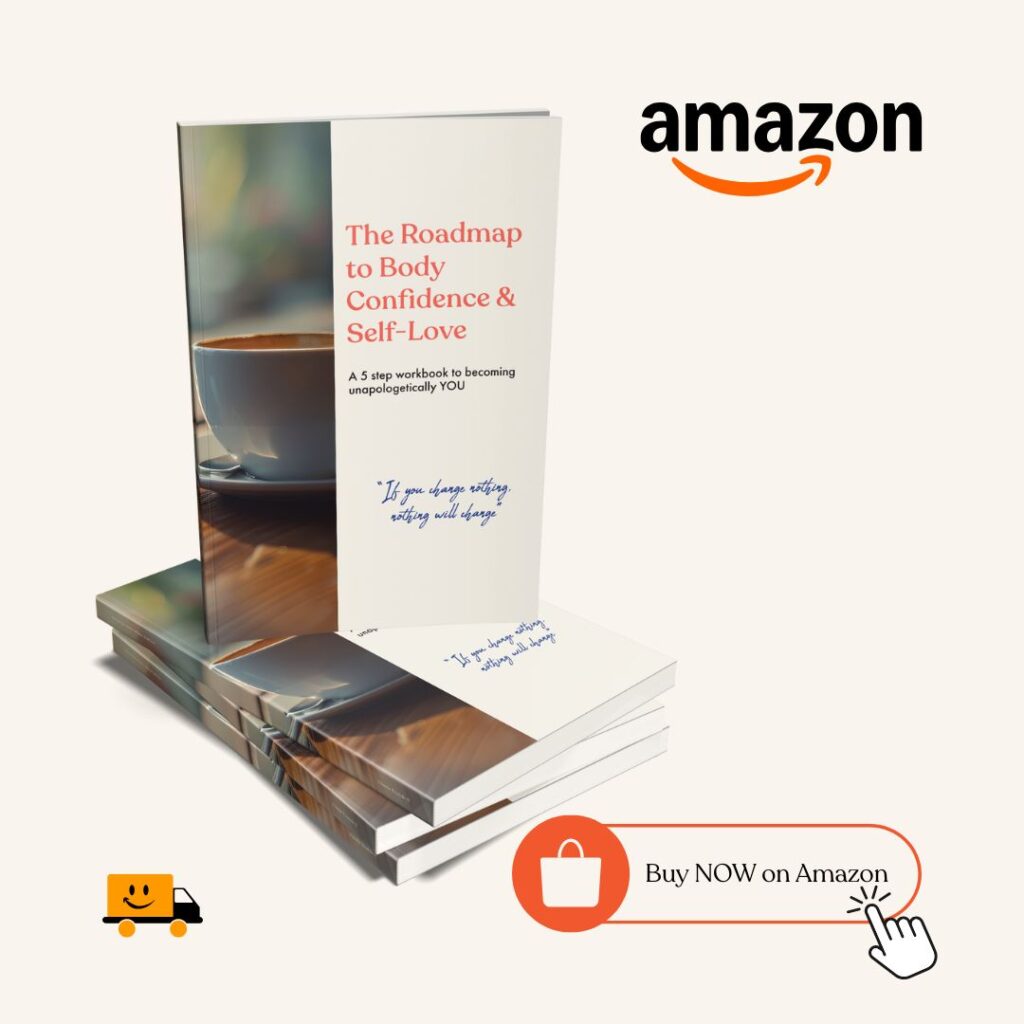
Reconnecting with yourself, especially when body image has become one of the places disconnection shows up, takes patience and compassion. If you’d like a little support, a gentle place to start is by downloading the Body Image Boost, designed to help you reconnect with your body and internal signals, or go deeper with The Roadmap to Body Confidence & Self Love book or course to rebuild self-trust, identity, and self-belief over time.
If this resonates, you’re not broken or forever lost.
You’ve been adapting, coping, and surviving in ways that once made sense. And now, something in you is ready for more than that.
Lets embrace that part of you trying to get back out and be seen.
xxx
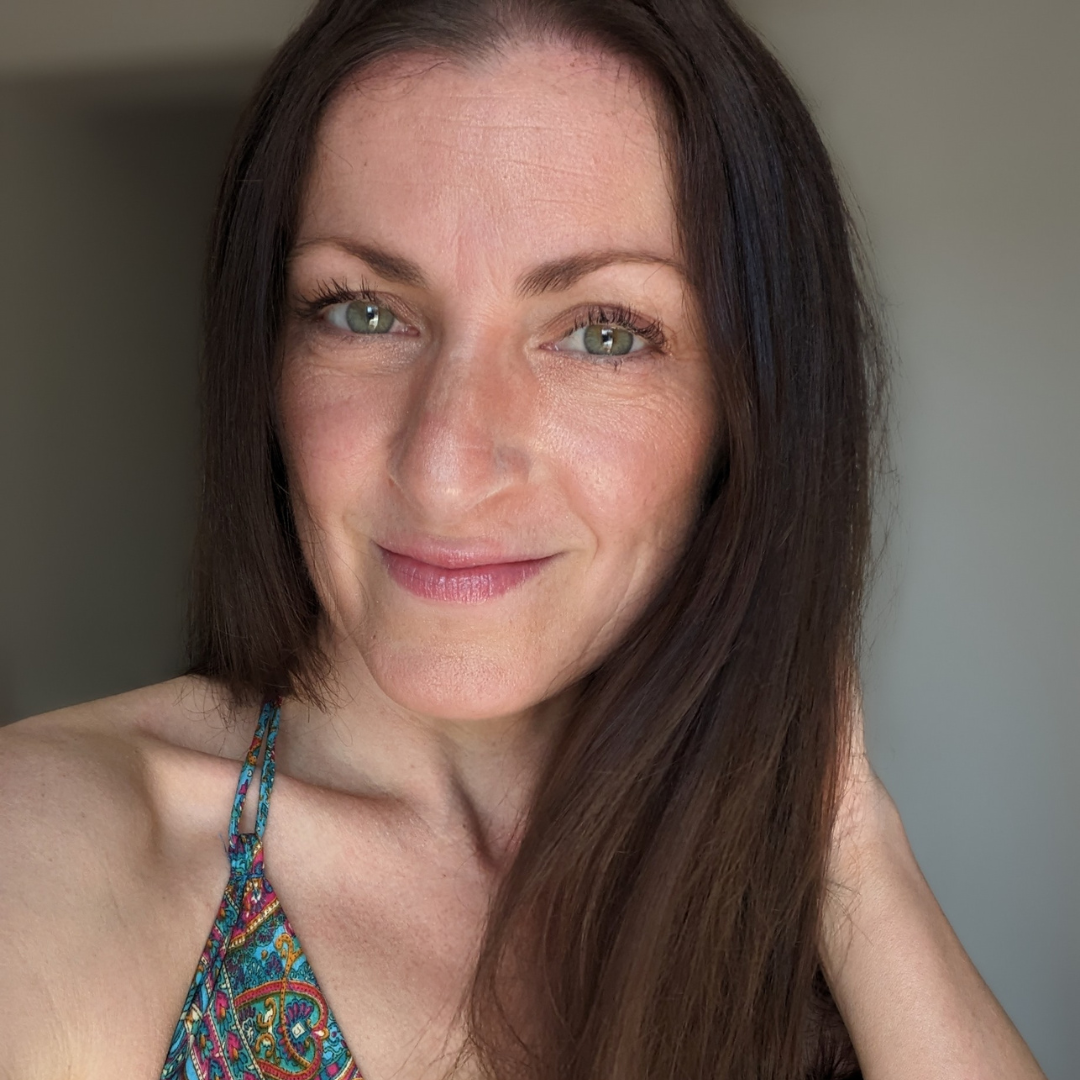
Hey, I’m Natalie and I am here to help women understand the emotional side of ADHD so they can feel more calm, confident and comfortable being themselves.

This is so true , more so just lately been doubting myself , unsure and confidence leaking out x back to my book x
I think we all have times where we find ourselves doing it! Try and be curious about ‘why’ rather than critical. If you need any support with the book let me know, if definitely works best if you try and find a flow and work through it all 🙂 xx