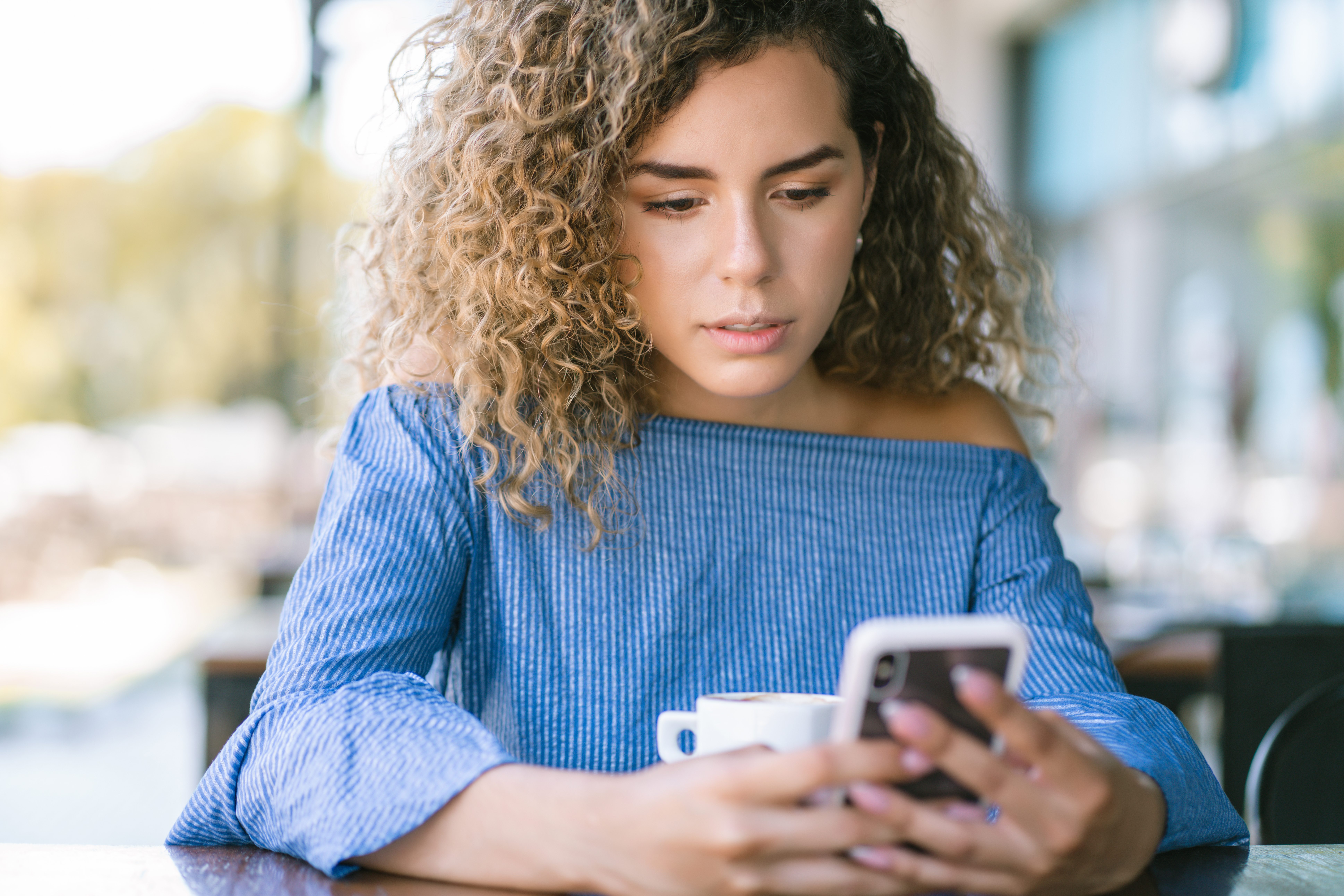




Social media has become such a normal part of everyday life that we rarely stop to question what it’s doing to us.
Whether it’s the first thing you check in the morning, something you scroll through on a break at work, or what you reach for in the evening when you’re tired and switching off, social media slips easily into the quieter moments of the day. And often, it leaves something behind.
A subtle dip in confidence.
A sharper awareness of your body.
A feeling that you’re somehow falling short.
This isn’t dramatic or obvious. It’s gradual. And it matters.
Social media is inescapable, and that’s part of the problem
Social media isn’t something most of us actively choose anymore. It’s woven into how we communicate, relax, and pass time.
When platforms like Facebook first appeared in the early 2000s, they were about connection. Over time, social media has evolved into something far more focused on visibility, performance, and approval. Likes, views, reactions, and followers are no longer background features, they are feedback systems.
And feedback systems shape behaviour.
Over time, they also shape how we measure ourselves.
This matters for body image because bodies are visible, comparable, and constantly present in online spaces. When approval is quantified and appearance is centre stage, self-worth can quietly become conditional.
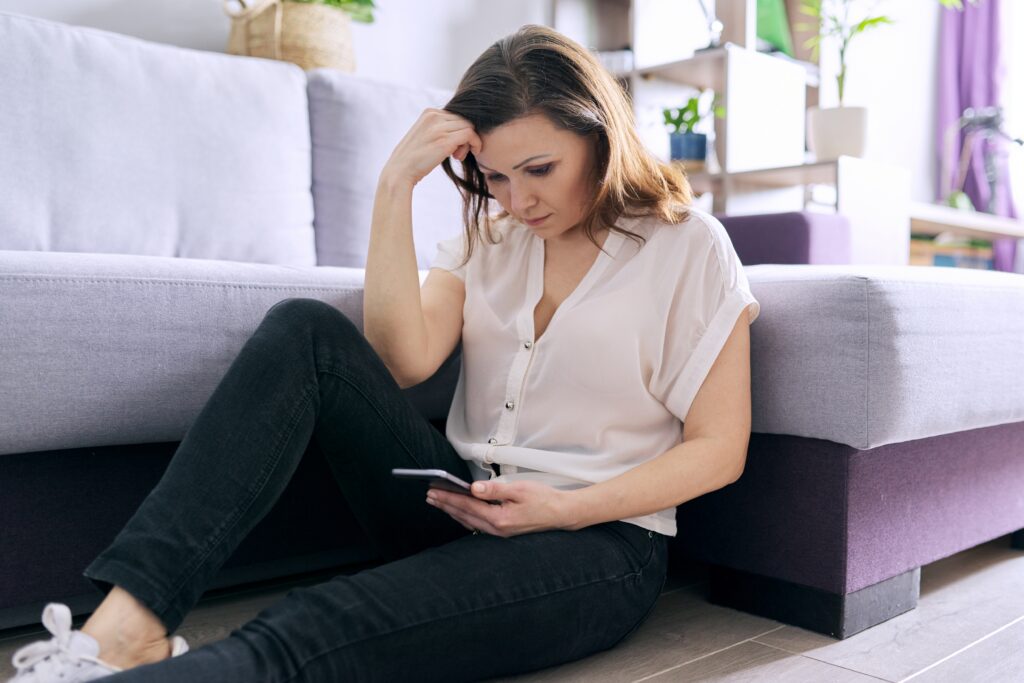
Why does social media affect body image so much?
A growing body of psychological evidence shows links between image-based social media and body dissatisfaction for women.
This isn’t because people are gullible or easily influenced.
It’s because social media repeatedly exposes us to idealised bodies, curated lives, and narrow definitions of success, often at moments when we’re tired, emotionally open, or looking for comfort.
From a psychological perspective, the brain responds to online and offline social evaluation in similar ways. Your nervous system doesn’t register scrolling as neutral entertainment, it reads it as social information about belonging, comparison, and safety.
Social media, self-worth, and body image
There’s an irony in the fact that social media was designed to bring people together, yet so often leaves people feeling disconnected and inadequate.
When approval becomes visible and measurable, self-worth starts to feel like something you earn rather than something you have. And because bodies are such a visible part of identity, body image often becomes the place where this plays out.
You might notice thoughts like:
- I should look different.
- Everyone else seems more confident than me.
- I need to fix something about myself.
I hear versions of this every week in my work with women, not because they’re overly focused on appearance, but because they’re trying to understand where they stand.
These thoughts don’t come from vanity. They come from repeated exposure to narrow standards of acceptability.
Comparison is the quiet driver
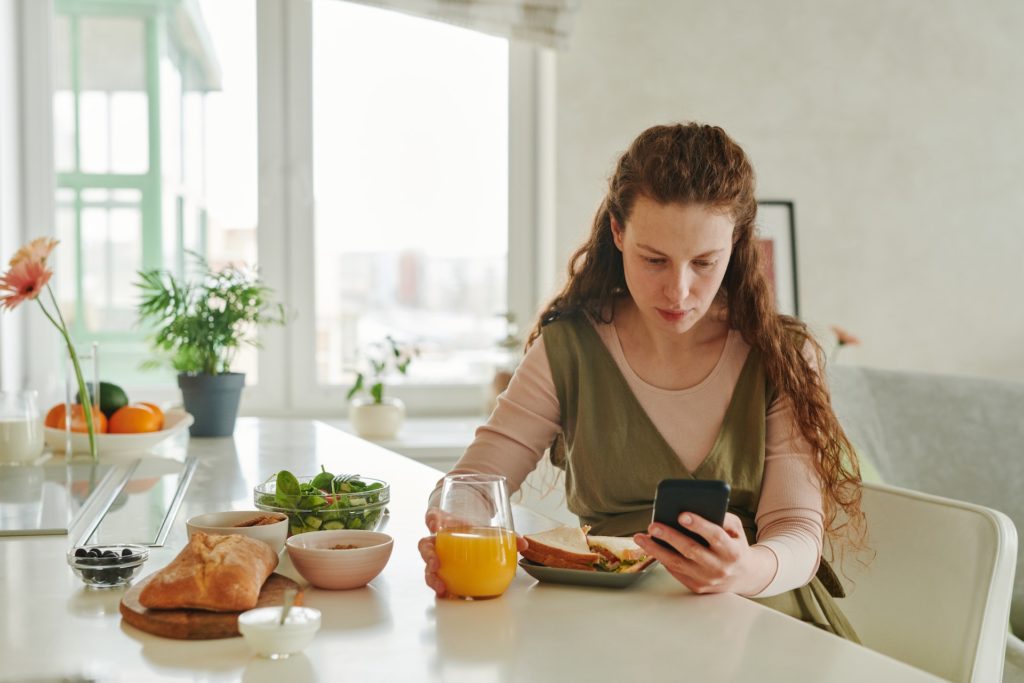
Comparison is one of the most powerful forces at work on social media.
Psychology has long shown that social comparison is a natural way humans evaluate themselves. Social media doesn’t create this instinct, it amplifies it.
By removing context and prioritising highlight reels, social media exaggerates difference. You aren’t comparing yourself to someone’s real life, you’re comparing yourself to a carefully selected snapshot.
Over time, this can lead to:
- Increased body monitoring
- Feelings of inferiority
- Erosion of confidence
- A persistent sense of being “behind”
This instinctive comparison speaks directly to self-worth, and it can do a surprising amount of harm in a short space of time.
Unrealistic expectations become internalised
Most people don’t post their worst days, their self-doubt, or their body image struggles. You know that.
But knowing doesn’t stop the impact.
Research consistently shows that repeated exposure to narrow appearance ideals increases body dissatisfaction, even when people consciously reject those standards.
When polished bodies and controlled narratives dominate your feed, your brain absorbs them as reference points. Unrealistic expectations quietly take hold, not just about appearance, but about how life should look.
That disconnect between logic and feeling is where self-criticism grows.
ADHD, sensitivity, and why this can hit harder
For some people, the impact of social media on body image feels more intense.
Psychological understanding of ADHD highlights that differences in emotional regulation and rejection sensitivity are common in ADHD, which means subtle cues about approval, comparison, or judgement can feel more emotionally charged.
This helps explain why rejection sensitivity dysphoria is often discussed in relation to ADHD, and why social environments, including digital ones, can feel overwhelming or personal very quickly.
Social media environments, with their constant feedback loops, can amplify this sensitivity.
This doesn’t mean ADHD causes body image difficulties. It means that for people with ADHD, or anyone with a more sensitive nervous system, social media can place greater strain on self-worth and emotional stability.
Social media and the loss of real connection
Another quieter effect of social media is how it can reduce meaningful communication.
When we already “know” what’s happening in someone’s life online, real conversations can feel thinner. Presence is replaced with performance. Over time, this can deepen loneliness rather than ease it.
There’s a paradox here: platforms designed to help us feel connected can, over time, intensify disconnection.
This reflects wider psychological understanding that face-to-face connection plays a vital role in emotional wellbeing.
When you feel unsure of your worth or self-conscious about your body, it can also become harder to show up fully in relationships, emotionally, physically, and honestly.
Human beings need real connection to regulate emotions and feel grounded.

Using social media without letting it undermine your body image
1. Notice what leaves a mark
Using social media in a way that protects your body image isn’t about discipline or restriction. It’s about noticing how it affects you and responding with care.
If you regularly leave someone’s content feeling more self-critical, more aware of your body, or quietly not good enough, that’s information. Unfollowing isn’t dramatic or avoidant; it’s an act of self-respect. Repeated exposure to comparison reinforces the belief that you need to change or fix yourself and removing that input gives your nervous system space to settle.
2. Pick the right time
Timing matters. Many people notice that scrolling hits harder early in the morning, during work breaks, or late at night, moments when you’re more tired, less resourced, and more emotionally open.
Psychological research shows that our ability to process information flexibly drops when we’re fatigued or stressed, making content feel more personal and emotionally loaded.
3. What you see becomes the standard
What you see repeatedly shapes what your brain comes to expect.
When your feed is dominated by polished bodies and narrow definitions of beauty, those images quietly become reference points. Following accounts that show diversity, realism, and honesty helps soften those internal standards over time and gives your brain a broader picture of what being human actually looks like.
4. Pay attention to the after-effect
It’s easy to notice how social media feels while you’re scrolling. It’s often more revealing to notice how you feel afterwards.
You might feel slightly tense, more critical, or disconnected from yourself without immediately realising why. This awareness builds self-trust and reflects approaches used in psychology, where noticing patterns is the first step towards change.
5. Come back into your body
Social media pulls attention outward, into observation and evaluation.Reconnecting with your body, standing up, stretching, moving, stepping outside, or noticing your surroundings, brings you back into lived experience. Grounding techniques are commonly used to support emotional regulation, helping the nervous system settle and reconnect.
6. Stop checking your worth online
Social media becomes most powerful when it turns into a place you go to decide how you’re doing as a person.
When your sense of self-worth is already fragile, comparison grips harder. When self-worth is steadier, social media loses its authority. The work then shifts away from managing platforms perfectly and towards building a kinder, more trusting relationship with yourself.
When social media shapes how you feel about your body
Social media doesn’t affect body image because you’re weak or doing it wrong.
It affects body image because it repeatedly places appearance, comparison, and approval at the centre of your attention, often when you’re tired, distracted, or emotionally open. Over time, that shapes how you see yourself and how safe you feel in your body.
That quiet scroll in the morning, on a work break, or at the end of the day doesn’t have to leave you feeling smaller.
If social media has been quietly shaping how you feel about your body or your worth, you don’t have to work that out on your own.
You can book a call to explore 1:1 support, or start gently with the Body Image Boost, a free resource designed to help you build a more compassionate, grounded relationship with your body.
xxx

Hey I’m Natalie, Supporting women like you on their road to self-acceptance and building a positive body image.

View comments
+ Leave a comment