




If you’re struggling with your body image, Valentine’s Day doesn’t always land like a celebration. Instead of feeling romantic and sweet, for a lot of women, Valentine’s can make body image struggles feel louder, because it brings questions about love, worth, and feeling chosen to the surface.
Valentine’s, if we are honest, doesn’t feel like it’s only about love. It’s about being seen. It’s about desirability, togetherness, photos, dates, gifts, and all the subtle messages that imply you should feel confident, chosen, and grateful.
If you’re feeling anxious, self-critical, or disconnected from your body right now, you’re not doing Valentine’s Day wrong. It’s a normal response to a day that carries a lot of emotional and cultural pressure.
Why Valentine’s Day Can Be So Triggering for Body Image
Valentine’s Day body image struggles often get misunderstood as vanity. But most of the time, they’re not about looks but about worth.
This day tends to trigger a few key themes at the same time:
- Comparison. Not only to other bodies, but to other relationships, other romantic stories, other versions of what love “should” look like.
- Attachment needs. The part of you that wants connection, intimacy, closeness, reassurance, and safety.
- Worthiness fears. The quiet belief that love is earned by being desirable, easy to love, or physically “good enough.”
That’s why Valentine’s Day anxiety can show up even if nothing is objectively wrong. The nervous system reads “romantic evaluation season” and goes into scanning mode. It looks for what might be rejected. Spending more time on social media may lead to more challenges with your body image, too.
And when emotional safety feels uncertain, the brain tends to grab the most culturally available explanation: my body must be the issue.
You might hear yourself saying things like “If I looked different, this day would feel easier.”, “When I change my body, I’ll feel more loveable” or “If I were more attractive, I wouldn’t feel so insecure.”
This isn’t about blaming social media or your partner. It’s about understanding the inner mechanics of threat and worth. When your system is looking for certainty, it often tries to solve love through appearance. This is also where working with a body image coach can be supportive, because the goal isn’t to force confidence. It’s to build steadier internal safety.
How It Shows Up in Real Life
If this day makes your body image feel louder, it usually shows up in small, familiar ways.
You might:
- Try on five outfits and hate all of them.
- Think about what you’ll eat, how you’ll look after, and whether it will “show.”
- Avoid making plans altogether because being perceived feels too much.
- Feel pressure to perform confidence or gratitude, even when you feel wobbly inside.
- Compare yourself to couples online and spiral into “what’s wrong with me?”
- Want the day over with already.

From a psychological perspective, this hyperfocus on appearance is often protective rather than merely superficial.
When you feel emotionally vulnerable, self-surveillance can become a way to regain control. If you can “manage” how you look, maybe you can manage the risk of being judged, rejected, or not chosen.But body checking, outfit spirals, and comparison rarely create safety. They usually create more threat.
The Impact It Has
Valentine’s Day body image anxiety doesn’t just steal the fun. It can even change how you relate to yourself and other people.
It can:
- Lower mood and increase irritability, shame, or numbness.
- Create a sense of dread that sits in your body like tension.
- Make you withdraw from others and connection, even if connection is what you want.
- Shut down desire, playfulness, intimacy, and openness.
- Reinforce the belief that love is something you have to earn.
When relationships and self-worth are tightly linked, days like Valentine’s can feel destabilising. Instead of loving, they become an evaluation of your ability to be loved.
And if you’ve ever found yourself thinking, “I’ll enjoy romance when I feel better about my body,” you already know the trap: the goalpost keeps moving. You need to make another change or ‘tweak’. The day keeps coming. The feeling of confidence and worth never lasts.
Why It Matters to Make a Change (Without Rushing Yourself)
The goal isn’t to magically feel self-love by February 14th. You don’t need to force confidence on a schedule.
What matters is building steadiness. A kind of internal stability where your worth doesn’t fluctuate with:
- Relationship status
- Holiday pressure
- How photogenic you feel
- What you ate
- Whether you feel wanted today
If these patterns go unaddressed, they tend to repeat. Valentine’s becomes one more annual trigger. One more moment you dread and where your nervous system learns: “Love equals danger. My body is the problem.”
But small moments like this can also become practice grounds. Not for perfection. For safer self-relationship.When you respond differently, even gently, you teach your system a new message: I can be with myself when I feel fragile. I don’t have to fix myself to be okay.
Gentle Changes That Actually Help
Here are a few grounded ways to move through Valentine’s Day when body image feels fragile. None of these are “mindset hacks.” Think of them as safety cues.
1) Lower the Stakes of the Day
Instead of asking, “How do I make this day special?” try: “How do I make this day emotionally safe?”
You you that might show up as:
- Staying present for one part of the day
- Not cancelling plans out of shame
- Wearing something that lets your body relax
- Getting through the evening without spiralling into self-attack
Never forget that you’re allowed to have a quiet Valentine’s, it’s okay to have a mixed-feelings Valentine’s and you can treat this like a normal day with a little extra care.
2) Choose Regulation Over Self-Surveillance
If you know you’ll be triggered, you can plan for fewer opportunities to self-monitor. Perhaps some of the below could be helpful:
- Choosing your outfit earlier in the day (or the day before)
- Limiting mirror checks to “getting ready,” not repeated scanning
- Taking a short break from social media that evening
- Setting a boundary around photos if they feel activating
This isn’t avoidance. It’s intelligent support. When you reduce inputs that spike threat, your nervous system settles faster.
3) Name What’s Underneath the Body Focus
Body image often becomes the headline when the real story is emotional.
I invite you to ask gently: “What am I actually feeling and needing right now?”
Common answers around Valentine’s that might pop up for you are loneliness, grief (for what hasn’t happened yet), fear of rejection, desire to feel chosen, sadness about past relationships or longing for tenderness.
When you name the real feeling, the body panic often softens. Not because it disappears, but because it finally feels understood.
4) Use Neutral Self-Talk (Not Forced Positivity)
You don’t have to counter your thoughts with “I’m beautiful!” if that feels fake, which right not it possibly would. Try Neutral statements that are often more regulating, such as:
- “This is a challenging body image day and I can show myself kindness.”
- “I’m feeling threatened, not broken.”
- “My body doesn’t need to be evaluated tonight.”
- “I can be with myself without fixing anything.”
This is how you start building internal steadiness. Not by arguing with your brain, but by calming the system underneath the thoughts.
5) Create One Self-Support Ritual
Pick something that signals warmth and steadiness, not performance. A few options (and things I know I love) taking a hot shower, journaling for five minutes, enjoying a cup of tea and a book before bed, taking a short walk to settle your body or lighting a scented candle.
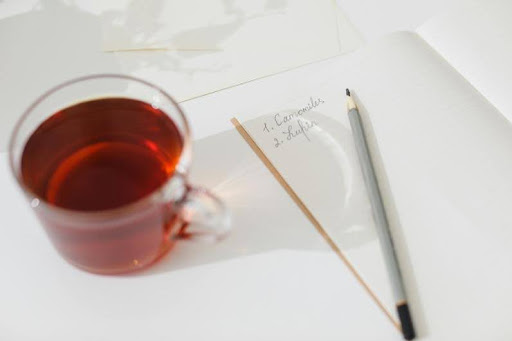
This isn’t about making the day aesthetic so it wouldn’t look out of place on your Instagram grid… It’s about reminding your nervous system: I’m safe with myself.
A Valentine’s Day That Doesn’t Require You To “Fix” Anything
Valentine’s Day doesn’t need to feel magical to be meaningful. It can simply be a day where you practice being slow and kins towards yourself and taking care of yourself.
If your body image feels fragile, that’s a sign you’re human, and your system is responding to pressure, visibility, and stories about what love is supposed to mean. It’s not a ‘you’ problem and you don’t have to do it alone.
Here are three ways I could help you (if you want and need it):
- If you want a gentle starting point, this Body Confidence Quiz can help you understand what’s driving your patterns and what kind of support you need.
- Want to go deeper, do it independently but have step-by-step support, The Roadmap to Body Confidence & Self Love is designed to help you build internal safety, self-trust, and steadier confidence, especially when relationships and self-worth feel shaky.
- If more personalised support if what you enjoy or need I would love you to book a 1:1 call to explore what that could look like and what we can do together.
But before signing off, I want you to remember that Valentine’s doesn’t get to decide your worth. It just reveals where you need more gentleness.
xxx

Hey I’m Natalie, Supporting women like you on their road to self-acceptance and building a positive body image.

View comments
+ Leave a comment